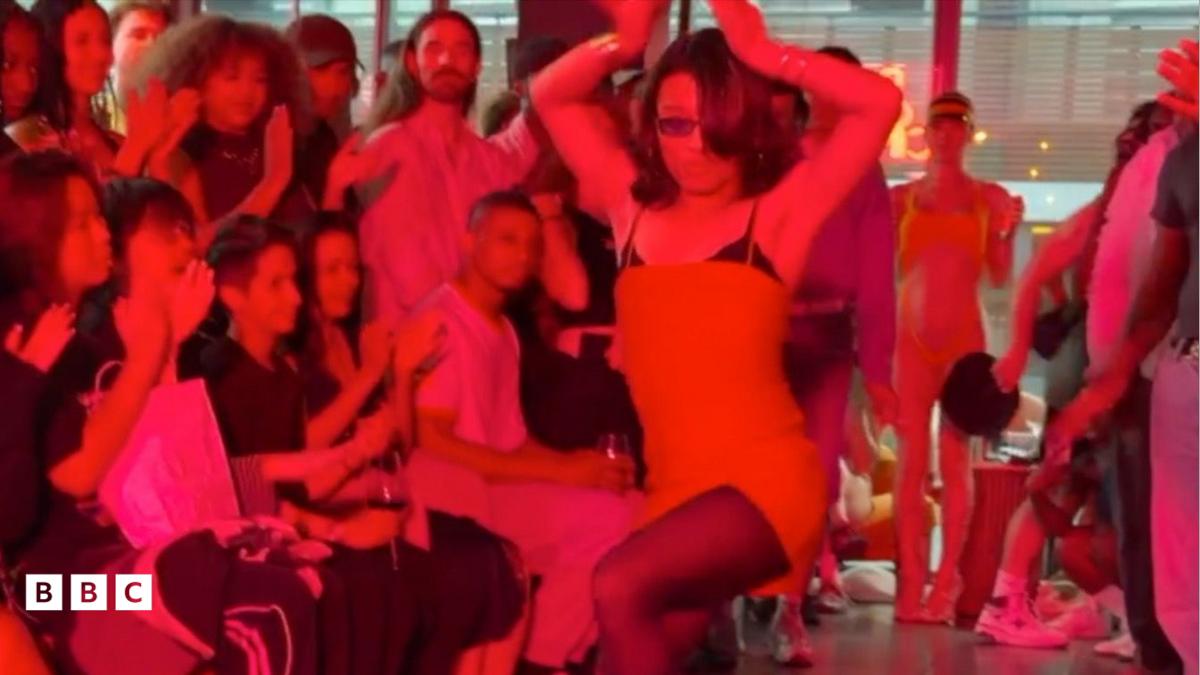
The Ballroom scene in London has become much more than just a series of dance competitions. For many members of the LGBTQ+ community, it represents a safe space where they can express their true identities without fear of judgment. Originally starting in New York decades ago, this vibrant culture moved across the ocean and found a passionate home in the United Kingdom.
It is a world built on creativity, resilience, and deep social connections. " These are not physical buildings, but rather social groups that act as adoptive families. Many young people in the scene have faced rejection from their biological families due to their sexual orientation or gender identity.
In response, they join a house led by a "mother" or "father" who provides emotional support and guidance. This concept of a "chosen family" is essential to the community, offering a sense of belonging that many members previously lacked. The most famous aspect of this culture is voguing.
This highly stylized form of modern dance involves dramatic movements, poses, and facial expressions. However, participants explain that Ballroom is about more than just dancing. It is about "labels" and "categories" where people compete in various outfits and styles.
These competitions allow individuals to celebrate their beauty and talent in an environment that rewards their uniqueness. For the London scene, the goal is to keep this heritage alive while adapting to the local landscape. Activists and performers work hard to ensure that the roots of the culture are respected.
They remind newcomers that Ballroom was created by Black and Latino trans women as a way to survive and thrive. Today, the London scene continues to be a powerful symbol of protest, joy, and community for everyone involved.