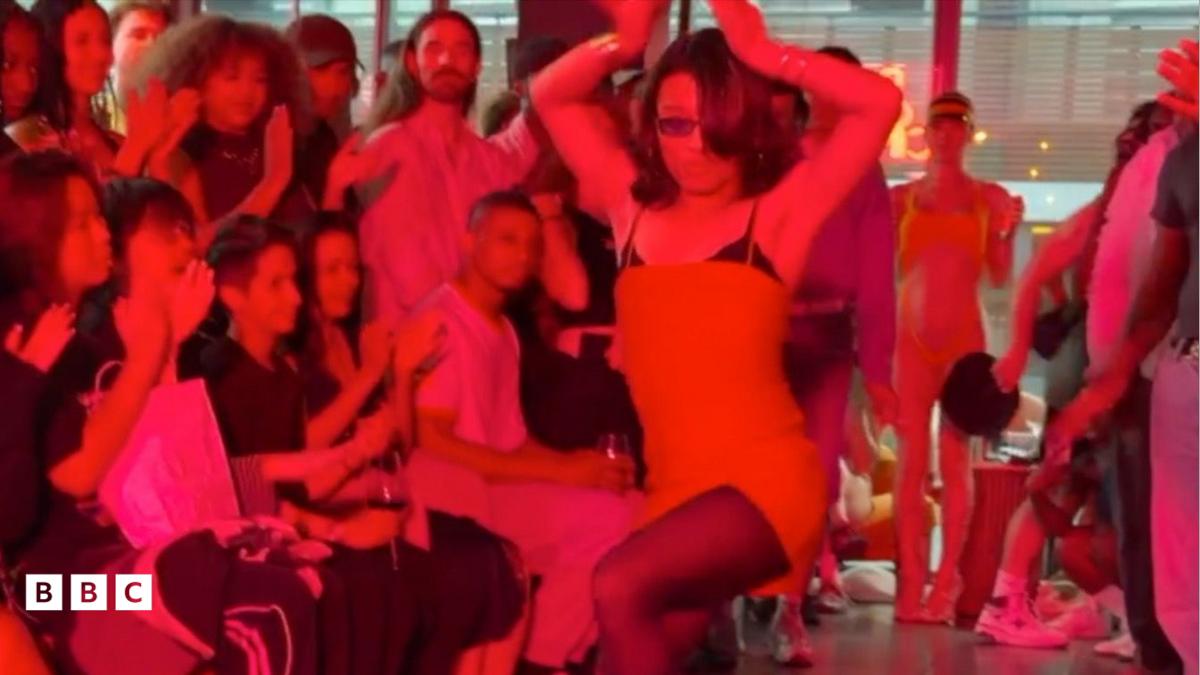
For decades, the Ballroom scene has served as a vital sanctuary for London’s LGBTQ+ community, particularly for those identifying as Black, Queer, or Trans People of Colour. Originating in Harlem during the late 20th century, this vibrant subculture migrated across the Atlantic, evolving into a sophisticated network of "houses" that function as chosen families. Within these structures, younger members are mentored by "mothers" and "fathers," providing a sense of belonging and protection that is often absent in wider society.
In London today, Ballroom represents far more than just dance; it is a profound expression of identity and resilience. The most recognisable element is vogueing—a highly stylised dance form characterised by angular movements and model-like poses. However, participants emphasise that voguing is a byproduct of the community’s struggle for visibility.
At a ball, performers compete in categories such as "runway" or "realness," showcasing their creativity and confidence in a space where they are not merely tolerated, but celebrated for their authentic selves. Despite its underground roots, Ballroom culture has increasingly faced the threat of cultural appropriation. Elements of the scene often permeate mainstream fashion and pop culture without acknowledging their origins in the struggle of marginalised communities.
Leaders within the London scene are vocal about reclaiming their heritage, asserting that their artistry cannot be separated from their lived experiences. Ultimately, the London Ballroom scene provides a safe haven where individuals can navigate the complexities of gender and race through performance. By fostering an environment of mutual support, these houses ensure that the community remains a resilient force against social exclusion.
For those involved, the ball is not just a competition; it is a declaration of presence and a celebration of collective strength.